
Commercial VRF Systems in Troy & Albany, NY: Cut Overhead Costs with Variable Refrigerant Flow HVAC
Looking for commercial VRF systems in Troy, NY? The Radiant Store installs Variable Refrigerant Flow HVAC that cuts energy costs 30–40%, qualifies for NYSERDA rebates, and fits historic Capital Region buildings.
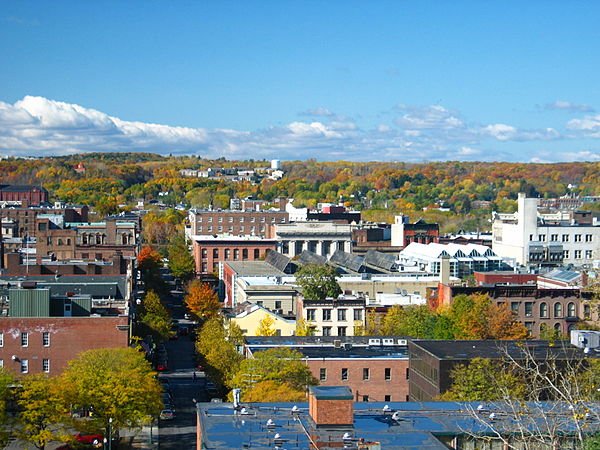
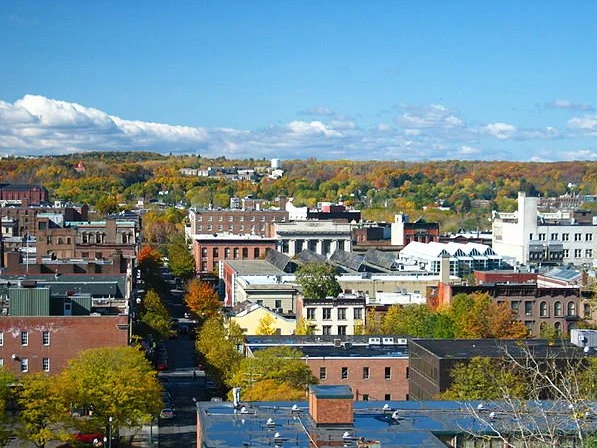
For business owners and property managers in Troy, Albany, and across New York’s Capital Region, the cost of doing business is directly tied to the cost of maintaining a comfortable indoor environment. Whether you operate a historic brick office building in downtown Troy, a multi-tenant commercial property in Albany, or a sprawling warehouse in Latham, your HVAC system is likely one of your largest ongoing overhead expenses.
Traditional rooftop units and forced-air systems were designed for a different era, and they show it on your utility bills. In 2026, forward-thinking Capital Region businesses are making a decisive switch to commercial VRF systems (Variable Refrigerant Flow HVAC) to cut energy costs, maximize building comfort, and unlock significant NYSERDA incentive dollars.
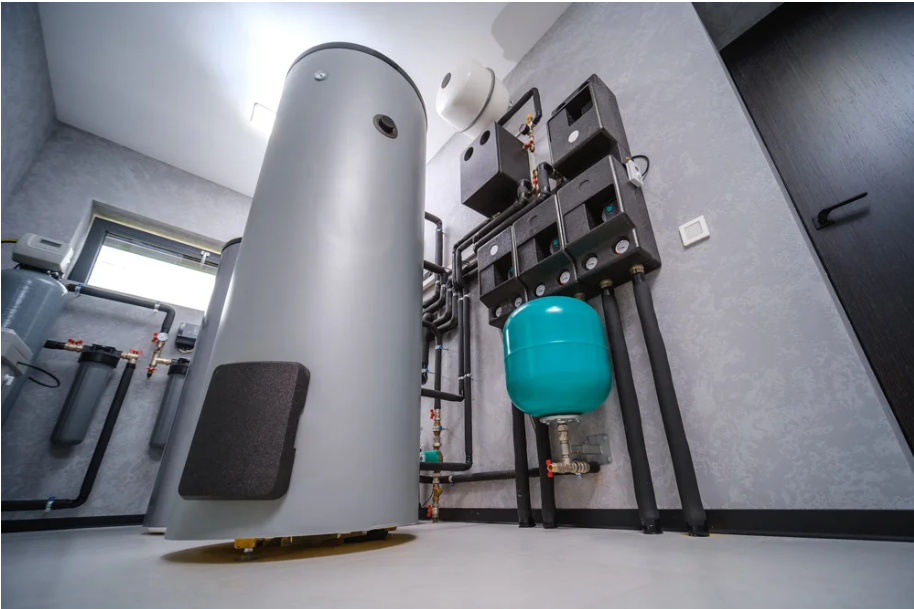
When it comes to heating solutions, many Troy and Albany businesses are discovering that their old boilers may actually be money pits—constantly requiring costly repairs and consuming excessive energy. Upgrading to energy-efficient, modern HVAC systems not only outperforms conventional boilers
What Is a Commercial VRF System? Variable Refrigerant Flow Explained
This level of control not only enhances comfort but also significantly reduces energy waste, translating into lower utility bills. By upgrading to such a system, homeowners can avoid the costly inefficiencies often associated with older boilers, turning their heating investment into a smart financial decision
However, if your old boiler lacks the advanced technology to modulate its output according to demand, it could be consuming more fuel than necessary, driving up your energy bills. Upgrading to a modern, energy-efficient model not only reduces operating costs but also
VRF vs. Traditional Commercial HVAC: Key Differences
Traditional rooftop units (RTUs): Single-zone, high energy consumption, constant cycling, require extensive ductwork, and have limited zoning capability.
Split systems: Better zoning than RTUs but typically limited to smaller areas; multiple compressors required for whole-building coverage.
Commercial VRF systems: One outdoor unit serves an entire building or floor with independent zone control, inverter-driven compressor runs at variable speeds, minimal refrigerant piping replaces bulky ducts.
However, before committing to such extensive upgrades, it's crucial to assess whether your existing boiler is truly draining your finances through inefficiency and frequent repairs. Many older boilers, if properly maintained or selectively updated, can still offer a reliable and cost-effective heating source.
Precision Zoning: Heat or Cool Only What You Actually Use
One of the most immediately impactful features of commercial VRF systems is granular zoning control. Traditional commercial HVAC systems operate in an “all or nothing” fashion; if one part of the building needs conditioning, the entire system kicks on and conditions everything.
With a VRF system installed by The Radiant Store, each indoor unit operates independently. Consider what this means for a typical Capital Region commercial property:
Your server room can maintain a steady 68°F cooling demand 24/7 without overworking the rest of the system.
Perimeter offices that lose heat to exterior walls in January can receive extra warmth while interior conference rooms stay cooler.
Unoccupied storage rooms, hallways, and utility spaces receive no conditioning at all, wasting zero energy.
A restaurant kitchen that generates significant heat can receive active cooling while the dining area receives heat simultaneously from the same outdoor unit.
This simultaneous heating and cooling capability available in heat recovery VRF configurations is one of the most powerful energy-saving features in commercial HVAC today. It recaptures waste heat from areas that need cooling and redirects it to areas that need heating, rather than exhausting it outside.
For a detailed assessment of how VRF zoning could work in your specific Troy or Albany property, contact The Radiant Store’s commercial HVAC team for a no-obligation consultation.
Energy Savings of 30–40% Compared to Conventional HVAC Systems
The financial case for commercial VRF installation in Troy and Albany is compelling. Because VRF systems use inverter-driven, variable-speed compressors, they never waste energy running at full capacity when partial capacity is all that’s needed.
According to research from YORK Commercial HVAC, VRF systems deliver energy savings of 30–40% compared to conventional commercial HVAC systems. For a Capital Region business spending $30,000 annually on HVAC energy costs, that translates to $9,000–$12,000 in annual savings every single year after installation.
Why VRF Systems Use Less Energy
No duct losses: Traditional ducted systems lose 20–30% of conditioned air through duct leakage and heat transfer. VRF refrigerant lines lose virtually nothing in transit.
Variable-speed operation: The compressor ramps up and down continuously rather than hard-starting at full power, eliminating the enormous energy spikes of traditional cycling systems.
Heat recovery: In heat recovery VRF configurations, waste heat from cooling zones is actively redirected to heating zones, achieving system efficiencies that exceed 100% COP (Coefficient of Performance).
Part-load efficiency: Buildings rarely operate at peak load. VRF systems are specifically engineered to be most efficient at partial loads, which is how commercial buildings operate the vast majority of the time.
In the variable Upstate New York climate, where businesses need meaningful heating from October through April and cooling from June through September, a system that handles both with maximum efficiency represents a major competitive financial advantage.
Space-Saving Design Ideal for Troy & Albany’s Historic Architecture
Space is at a premium throughout Troy’s celebrated historic commercial district and Albany’s older office stock. Massive sheet-metal ductwork is frequently difficult to install, prohibitively expensive to route through historic structures, or simply architecturally impossible without destroying the building’s character.
Commercial VRF systems elegantly solve this problem. The refrigerant piping used in VRF installations has a small diameter, often 1–2 inches, and can be routed through walls, above drop ceilings, and around structural elements with minimal disruption. This makes VRF technology the preferred solution for:
Historic brick commercial buildings throughout downtown Troy and the Collar City district
Older office buildings in Albany’s Center Square and Washington Park neighborhoods
Multi-tenant commercial spaces where individual tenant buildouts require independent HVAC control
Renovated industrial and warehouse spaces in Watervliet, Cohoes, and Green Island
Medical offices, clinics, and professional spaces requiring quiet, unobtrusive HVAC equipment.
The indoor units themselves are available in multiple form factors: ceiling cassettes, wall-mounted units, concealed ducted units, and floor consoles, so they integrate cleanly into virtually any commercial interior design without compromising aesthetics.
The Radiant Store’s commercial HVAC specialists have extensive experience working within the constraints of historic Capital Region buildings, designing VRF systems that deliver modern performance without disrupting architectural integrity.
NYSERDA Rebates & Federal Incentives for Commercial VRF Installation in New York
New York State has some of the most aggressive building electrification incentive programs in the country, and commercial VRF systems are squarely in the crosshairs of that funding.
As of 2026, Capital Region businesses installing qualifying high-efficiency VRF systems can access financial incentives through multiple programs:
NYS Clean Heat Program (NYSERDA): The NYS Clean Heat Program provides per-ton incentives for commercial heat pump installations, including VRF systems. Incentive amounts vary by equipment type and business category.
National Grid Commercial Energy Efficiency Program: National Grid offers custom incentives for commercial customers who install qualifying high-efficiency HVAC equipment, often calculated on projected energy savings.
Federal Investment Tax Credit (ITC) / Inflation Reduction Act provisions: Commercial properties may qualify for federal tax incentives for energy-efficient building upgrades. Consult your tax advisor for current eligibility.
Consolidated Edison programs: Businesses in Con Ed's service territory also have access to demand response and efficiency incentive programs for qualifying HVAC upgrades.
Navigating these incentive structures is complex; each program has specific equipment requirements, application windows, and documentation standards. The Radiant Store manages the entire incentive application process on behalf of our commercial clients, ensuring you capture every available dollar and achieve the fastest possible return on investment.
In many cases, when NYSERDA rebates and energy savings are combined, Troy and Albany businesses find that a commercial VRF system reaches full financial payback in three to five years after which the energy savings represent pure profit.
Longer Equipment Lifespan & Fewer Emergency Repairs
Every facilities manager knows the real cost of commercial HVAC isn’t just energy, it’s the emergency service calls, the unplanned downtime, and the deferred capital replacement costs that compound over time.
Because commercial VRF systems are designed to operate predominantly at partial load, never “hard starting” at full power, the internal components experience dramatically less mechanical stress than in conventional systems that constantly cycle on and off at maximum capacity. The practical results:
Fewer compressor failures: Inverter compressors that modulate speed have significantly longer service lives than fixed-speed compressors that start and stop repeatedly.
Reduced refrigerant stress: Gradual pressure changes versus sudden cycling minimize refrigerant leak risk and reduce stress on fittings and components.
Less wear on indoor units: Fan motors and heat exchangers operating at variable, lower speeds last longer than those in constant full-speed operation.
Proactive diagnostics: Modern VRF systems include built-in diagnostic capabilities that alert technicians to developing issues before they become emergency failures—reducing costly after-hours service calls.
Typical commercial VRF systems are engineered for 15–20+ year service lives with proper maintenance significantly longer than the 10–15 year average of many conventional commercial rooftop units operating in Upstate New York’s demanding climate.
Improved Indoor Air Quality & Employee Comfort for Capital Region Businesses
Beyond energy costs, commercial HVAC directly affects employee productivity, tenant satisfaction, and the indoor environment your team spends 40+ hours per week in. VRF systems deliver measurable comfort advantages over traditional systems:
Whisper-quiet operation: VRF indoor units operate at noise levels as low as 22 dB—quieter than a library compared to the constant cycling hum of older rooftop units. This directly benefits indoor air quality and workplace acoustics.
No duct contamination: Aging ductwork accumulates dust, mold, and allergens over time. VRF’s ductless or minimal-duct design eliminates this pathway for indoor air quality degradation.
Precise humidity control: Variable-speed operation maintains more consistent temperatures and humidity levels than cycling systems, reducing condensation and mold risk in commercial spaces.
Individual comfort control: Per-zone thermostat control eliminates “one-size-fits-all” temperature settings that leave some employees too hot and others too cold.
Studies consistently show that thermal comfort is one of the top factors affecting employee productivity and satisfaction in commercial environments. Investing in a VRF system is simultaneously an investment in your team’s performance.
Which Commercial Properties in Troy & Albany Benefit Most from VRF?
While virtually any commercial building can benefit from VRF technology, The Radiant Store has found that it delivers the highest ROI for specific property types common throughout the Capital Region:
Multi-tenant office buildings: Allows each tenant to control their own HVAC independently, making energy sub-metering straightforward and tenant satisfaction significantly higher.
Historic commercial buildings: Troy and Albany’s wealth of 19th and early 20th-century commercial architecture is ideally served by VRF’s minimal infrastructure footprint.
Medical and professional offices: Quiet operation, precise temperature control, and independent zoning make VRF ideal for healthcare facilities, dental practices, and professional service firms.
Restaurants and hospitality: Simultaneous heating and cooling capability handles dramatically different thermal demands of kitchens and dining rooms from a single outdoor unit.
Retail spaces and showrooms: Clean aesthetics, quiet operation, and energy efficiency align with customer-facing retail environments throughout Troy’s growing commercial districts.
Educational facilities and nonprofits: NYSERDA’s rebate programs often have enhanced tiers for qualifying nonprofit and educational organizations.
Why Choose The Radiant Store for Commercial VRF Installation in Troy & Albany?
Transitioning a commercial building to VRF is a sophisticated engineering project. It requires precise load calculations, careful equipment selection, expert refrigerant system design, and deep familiarity with local building codes and utility incentive programs. This is not a job for a generalist contractor.
The Radiant Store brings over 20 years of specialized experience designing and installing commercial HVAC solutions tailored to the unique climate conditions, architectural constraints, and utility infrastructure of the Hudson Valley and Capital Region.
Our commercial VRF installation process includes:
Comprehensive building assessment and load calculation specific to your property
VRF system design optimized for your building layout, occupancy patterns, and budget
Equipment specification from leading manufacturers with proven performance in Upstate New York climates
Full NYSERDA and utility rebate application management on your behalf
Professional installation by certified commercial HVAC technicians
Commissioning, testing, and staff training on the new system controls
Ongoing commercial maintenance agreements to protect your investment
We also specialize in electric HVAC solutions and full building electrification planning, helping Capital Region businesses build a roadmap toward lower carbon emissions and reduced dependence on fossil fuels.
Frequently Asked Questions: Commercial VRF Systems in Troy & Albany, NY
How much does a commercial VRF system cost in Troy, NY?
Commercial VRF system costs vary considerably based on building size, number of zones, equipment tier, and installation complexity. As a general benchmark, commercial VRF installations typically range from $15,000 to $60,000 or more for mid-size commercial properties. However, NYSERDA rebates, National Grid incentives, and annual energy savings of 30–40% can dramatically shorten the payback period. The Radiant Store provides detailed cost and ROI projections as part of every commercial consultation.
Can VRF systems work in older Troy and Albany commercial buildings?
Yes—in fact, older buildings are often the ideal candidates for VRF. Because VRF uses small-diameter refrigerant piping rather than large ductwork, it can be installed in historic commercial buildings with minimal structural disruption. The Radiant Store has extensive experience retrofitting VRF into Troy’s 19th and early 20th-century commercial stock.
What NYSERDA rebates are available for commercial VRF in New York?
The NYS Clean Heat Program offers per-ton incentives for qualifying commercial heat pump (VRF) installations. Exact amounts depend on equipment type, building category, and current program funding levels. National Grid also offers custom commercial efficiency incentives. The Radiant Store manages the complete rebate application process for our commercial clients.
How long does a commercial VRF installation take?
Installation timelines depend on building size and system complexity. A single-floor commercial VRF installation often takes 3–5 days. Multi-floor or large-building projects may take 1–3 weeks. The Radiant Store develops a detailed project schedule before work begins to minimize disruption to your business operations.
What is the difference between VRF heat pump and VRF heat recovery systems?
A VRF heat pump system provides heating OR cooling to all zones simultaneously (they all operate in the same mode at a given time). A VRF heat recovery system can provide simultaneous heating to some zones and cooling to others, and recaptures waste heat from cooling zones to assist heating zones. Heat recovery VRF is generally the higher-efficiency choice for mixed-use commercial buildings with diverse zone demands, such as buildings with server rooms, restaurant kitchens, or sun-exposed south-facing offices alongside shaded north-facing spaces.
Does The Radiant Store service VRF systems after installation?
Yes. The Radiant Store offers comprehensive commercial HVAC maintenance agreements for VRF systems we install, as well as service for existing VRF systems installed by other contractors. Regular preventive maintenance is key to protecting your VRF investment and maintaining manufacturer warranty coverage.
Ready to Reduce Your Commercial Overhead with VRF? Let’s Talk.
Don’t let an outdated, inefficient HVAC system continue eating into your operating budget season after season. Commercial VRF technology is proven, available now, and—with current NYSERDA incentive programs—has never been more affordable for Capital Region businesses.
The Radiant Store serves commercial clients throughout Troy, Albany, Watervliet, Cohoes, Latham, Schenectady, and the entire Capital Region and Hudson Valley.
Cut commercial HVAC energy costs 30–40%
Achieve room-by-room comfort control throughout your building
Qualify for NYSERDA rebates and National Grid incentives
Eliminate disruptive ductwork in historic commercial properties
Extend equipment lifespan and reduce emergency repair costs
Request a Commercial VRF Consultation Today or call our Troy office directly at (518) 500-3131 to speak with a commercial HVAC project manager.
5 Signs Your Old Boiler is Costing You More Than a Monthly Utility Bill
Is your old boiler costing you money in Troy, NY? Discover 5 signs it’s time for a boiler replacement.

If you’re a homeowner in Troy, NY or anywhere in New York’s Capital Region, you already know that a reliable heating system isn’t a luxury, it’s a survival necessity. From the historic brownstones of Troy and Lansingburgh to the suburban homes of Latham and Cohoes, cast-iron boilers have been the backbone of New York winters for more than a century.
But here’s the hard truth: if your basement boiler is over 15 years old, it may be doing far more than just heating your home. It could be quietly draining your bank account, compromising your indoor air quality, and putting your family’s safety at risk.
Below are five warning signs that your old boiler is overdue for a boiler replacement in Troy, NY and what you can do about it today.
Sign #1: Your Boiler Makes Loud, Unexplained Noises (Kettling, Banging, or Gurgling)
A little pipe expansion noise is perfectly normal in older steam systems. But if your boiler sounds like a haunted house kettling, loud metallic banging, persistent gurgling, or high-pitched whistling that’s your heating system crying out for help.
What Those Boiler Noises Mean
Kettling: A rumbling, boiling sound caused by limescale and mineral deposit buildup on the heat exchanger. This forces the boiler to work harder, burns more fuel, and accelerates component failure.
Banging/Water Hammer: Often signals a failing circulator pump, air trapped in the hydronic system, or a faulty expansion tank.
Gurgling: Frequently, it points to low water pressure or air in the pipes both reduce heating efficiency and can lead to uneven heat distribution throughout your Troy home.
These issues force your old boiler to consume significantly more fuel to achieve the same (or worse) heat output. Left unaddressed, they shorten your boiler’s lifespan and can lead to a complete system failure on the coldest night of the year.
If you’re hearing these sounds regularly, it’s time to call The Radiant Store in Troy for a professional boiler inspection before the problem becomes an emergency replacement.
Sign #2: You’re Paying for Constant “Band-Aid” Repairs
Are you on a first-name basis with your HVAC repair technician? If your boiler has required two or more significant repairs in the past three years, you’re likely caught in a costly cycle of diminishing returns.
Consider the “50% Rule” used by HVAC professionals: if a single repair costs more than 50% of the price of a new boiler, replacement is almost always the smarter financial decision. When you add up recurring service calls, emergency parts, and technician labor, keeping an old boiler alive can easily cost more annually than financing a brand-new, high-efficiency unit.
The AFUE Efficiency Gap: Old vs. New Boilers
According to the U.S. Department of Energy, modern high-efficiency condensing boilers achieve AFUE (Annual Fuel Utilization Efficiency) ratings between 90% and 98.5%. By contrast, older boilers commonly operate at only 55–70% AFUE.
What does that mean in real dollars? If your home spends $2,400 per year on heating fuel, an old boiler operating at 65% AFUE wastes roughly $840 per year in fuel that never converts to usable heat. Upgrading to a 95% AFUE condensing boiler could put that money back in your pocket—every single year.
The Radiant Store specializes in high-efficiency boiler replacements and installations in Troy, NY. Our team will perform a full load calculation to match you with the right-sized system, eliminating waste from the start.
Sign #3: You Have Uneven Heat, Cold Spots, or Uncomfortable Rooms
Does your living room feel like a sauna while your upstairs bedroom feels like a walk-in freezer? Inconsistent heat distribution is one of the most common and most frustrating signs of an aging boiler.
As boilers age, they lose the ability to maintain consistent water pressure and temperature throughout your hydronic heating system. Sediment in the pipes, a degraded circulator pump, and worn zone valves all contribute to the problem.
The Hidden Cost of Cold Spots
Without effective zoning control, most homeowners compensate by cranking up the thermostat to make the cold rooms livable which means they’re massively overheating the comfortable rooms at the same time. This wastes energy and money while still leaving you uncomfortable.
A modern boiler replacement in Troy, NY paired with a smart zoning system or thermostatic radiator valves (TRVs) gives you room-by-room temperature control. You heat only what you use, exactly to your comfort level. It’s a fundamental upgrade that older boilers simply cannot deliver.
The Radiant Store’s hydronic heating specialists design whole-home comfort systems built specifically for older Troy and Albany-area homes, where unique layouts and aging infrastructure demand expert engineering.
Sign #4: You See Yellow Flames, Smell Strange Odors, or Notice Carbon Monoxide Concerns
This sign isn’t just about your wallet it’s about your family’s safety. And it should never be ignored.
A properly functioning gas boiler burns with a crisp, steady blue flame. If you ever observe:
A yellow, orange, or flickering flame
A faint “rotten egg” or sulfur smell (indicating a gas issue)
A metallic or burning odor near the boiler
Soot or black marks around the boiler casing
Your carbon monoxide (CO) detector sounding an alarm
…you may be dealing with incomplete combustion or a cracked heat exchanger—both of which can lead to dangerous Carbon Monoxide (CO) leaks inside your home.
Carbon Monoxide is odorless and colorless in its natural state; the warning signs above are your only early indicators before CO levels become life-threatening. The U.S. Consumer Product Safety Commission estimates that faulty heating equipment accounts for approximately 150 CO-related deaths per year in the United States.
If you observe any of these warning signs, do not attempt to operate the boiler. Ventilate your home, get everyone out, and contact emergency services. Then call The Radiant Store for an urgent inspection.
A modern sealed-combustion boiler eliminates this risk entirely by drawing combustion air directly from outside—completely separating the combustion process from your home’s living air. It’s the single most important safety upgrade you can make to an aging heating system.
Sign #5: Your Heating Bills Keep Rising Faster Than Energy Prices
Open your National Grid or heating oil delivery statements from the last three winters. Are your bills climbing significantly, even in years when natural gas prices have stayed relatively flat?
If so, your boiler’s efficiency has bottomed out. Boilers don’t fail overnight, they degrade gradually, losing efficiency percentage points every year as components wear, seals deteriorate, and heat exchangers accumulate scale. You end up paying for fuel that produces less and less heat with every passing season.
The Boiler Replacement ROI for Troy, NY Homeowners
Many Troy, NY homeowners who upgrade to a high-efficiency condensing boiler or integrate a solar-assisted heat pump system discover that the monthly fuel savings are substantial enough to offset the cost of financing the new system. In other words, the new boiler can essentially pay for itself through what you’re no longer spending on wasted fuel.
New York State also offers generous NYSERDA rebates for qualifying high-efficiency heating systems, which can significantly reduce the upfront cost of a boiler replacement in Troy, NY. The Radiant Store’s team will walk you through every available incentive to maximize your savings.
How Long Does a Boiler Last? When Is Replacement Better Than Repair?
Most boilers have a typical lifespan of 15 to 25 years with proper maintenance. But age alone isn’t the only factor. Use this quick decision guide:
Boiler is under 15 years old + single repair needed: Repair is usually the right call.
Boiler is 15–20 years old + recurring repairs: Get a replacement quote and compare the 5-year total cost of each option.
Boiler is over 20 years old + any significant issue: Replacement is almost always the most cost-effective decision.
Any boiler with CO or combustion concerns: Replace immediately, regardless of age.
The Radiant Store Advantage: Troy NY’s Hydronic Heating Specialists
At The Radiant Store, we don’t just “swap boxes.” We specialize in whole-home energy logic, a comprehensive approach to heating that takes into account your home’s specific layout, insulation, existing distribution system, and long-term comfort goals.
Our Troy, NY team brings deep expertise in:
NYSERDA rebate applications and energy incentive programs
Renewable energy integration, including solar-assisted heat pump systems
Whole-home comfort zoning and smart thermostat solutions
Whether you live in Troy, Watervliet, Cohoes, Albany, or anywhere in the greater Capital Region, we’re your local experts for boiler replacement and hydronic heating solutions.
Frequently Asked Questions: Boiler Replacement in Troy, NY
How much does boiler replacement cost in Troy, NY?
The cost of a boiler replacement in Troy, NY typically ranges from $4,000 to $10,000 or more depending on the type of boiler, home size, and complexity of the installation. High-efficiency condensing boilers are at the higher end but deliver the fastest return on investment through fuel savings. NYSERDA rebates can significantly offset this cost.
What is the most energy-efficient boiler for a Troy, NY home?
High-efficiency condensing boilers with AFUE ratings of 90–98.5% are the most energy-efficient option for most Capital Region homes. They recover heat from exhaust gases that standard boilers waste, dramatically reducing fuel consumption. The Radiant Store can help you select the right model for your specific home and heating load.
Can I get a rebate for a new boiler in New York State?
Yes. New York State’s NYSERDA Clean Heat program and National Grid’s energy efficiency programs offer rebates for qualifying high-efficiency heating system upgrades. The exact rebate amount depends on the equipment installed. The Radiant Store’s team handles the paperwork to ensure you capture every dollar you’re entitled to.
How long does a boiler replacement take?
Most boiler replacements in a Troy-area home can be completed in one to two days. The Radiant Store schedules installations efficiently to minimize the time your home is without heat, especially important during the Capital Region’s cold winters.
What brands of boilers does The Radiant Store install?
The Radiant Store works with leading brands of high-efficiency condensing boilers suited for Troy, NY homes. During your consultation, our team will recommend the best fit for your budget, home size, and heating needs.
Don’t Wait for a Mid-Winter Breakdown, Act Now!
The worst time to deal with a boiler replacement in Troy, NY is during a January cold snap with temperatures below zero. The best time is right now, before your old boiler fails and leaves you scrambling for an emergency replacement at peak season prices.
Let The Radiant Store help you make your home more comfortable, more energy-efficient, and safer—before winter arrives.
Stop the “money leak” in your basement
Eliminate dangerous CO risks from an aging boiler
Reduce your monthly heating costs significantly
Take advantage of NYSERDA rebates before they expire
Contact The Radiant Store Today for a professional heating consultation, or call us directly at (518) 500-3131. Serving Troy, Albany, Watervliet, Cohoes, and the entire Capital Region.
Mini Splits vs. Central Heat Pumps: Which System Is Right for Your Capital Region Home?
If you’re a homeowner in New York’s Capital Region researching ways to cut heating and cooling costs, you’ve likely come across terms like mini split, ductless heat pump, and central air source heat pump. With substantial rebates from New York State and federal tax credits, more families are replacing old oil, propane, and gas systems with efficient electric heat pumps.
If you're a homeowner in New York's Capital Region researching ways to cut heating and cooling costs, you've likely come across terms like mini split, ductless heat pump, and central air source heat pump. With substantial rebates from New York State and federal tax credits, more families are replacing old oil, propane, and gas systems with efficient electric heat pumps.
But with multiple options available, which system makes the most sense for your home? Let's break down the differences between mini splits and central heat pumps so you can make an informed, cost-effective decision.
Heat Pump Basics: How They Work
Unlike furnaces or boilers that burn fuel to generate heat, heat pumps work by transferring existing heat between the indoors and outdoors. This makes them far more energy-efficient, eco-friendly, and versatile since they provide both heating and cooling.
Both mini splits and central heat pumps use this same technology---what differs is how they deliver comfort to your home.
What Is a Mini Split (Ductless Heat Pump)?
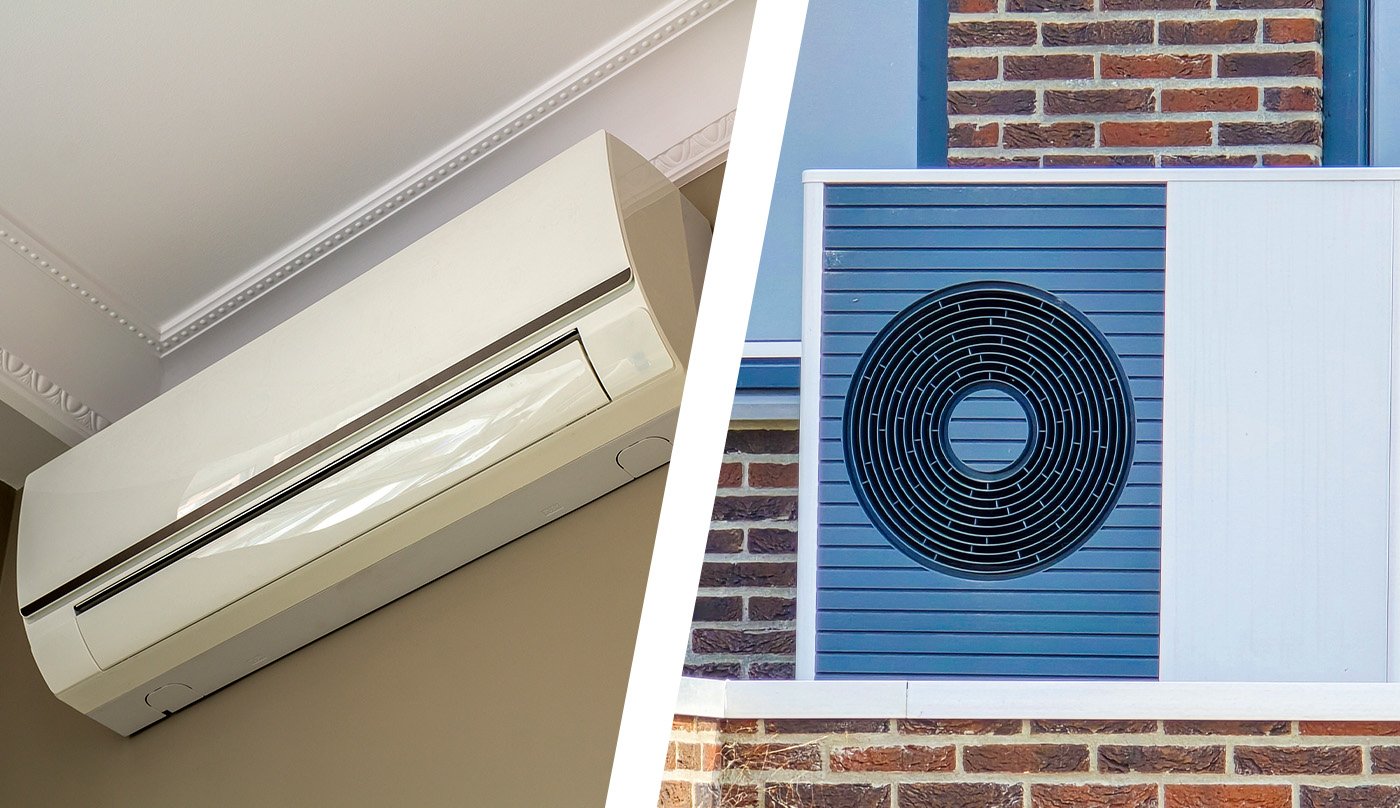
Mini splits use an outdoor compressor paired with one or more indoor air handlers that mount on the wall, ceiling, or floor.
No ductwork required
Each indoor unit controls the temperature for a specific zone
Great for additions, older homes, or hard-to-heat spaces
Installation is typically quick and minimally disruptive
Mini splits shine when you want precision control---for example, keeping your bedroom cooler at night without over-conditioning the rest of the home.
What Is a Central Heat Pump?
Central heat pumps look and function much like a traditional central AC system. They use an outdoor unit connected to an indoor air handler that ties into your home's existing ductwork.
Provides whole-home comfort from one thermostat
Works seamlessly if you already have ducts from central air or a forced-air furnace
Keeps equipment hidden---no wall-mounted units inside your living spaces
Typically the more cost-effective choice for homes with ducts already in place
The Ductwork Factor
Your home's current setup is often the deciding factor:
If you have ducts -- A central heat pump is usually the most straightforward and affordable whole-home solution.
If you don't have ducts -- Installing them can cost thousands and require major renovations. In these cases, a mini split system is the smarter, more efficient option.
This is why many homeowners in Albany, Schenectady, Troy, and Saratoga Springs, where older homes often rely on radiators or baseboards, choose ductless mini splits.
Cold-Weather Performance in Upstate New York
Today's cold-climate heat pumps are designed for the Capital Region's winters. Many operate efficiently down to -13°F, and advanced models can perform at -22°F.
Research from Northeast Energy Efficiency Partnerships (NEEP) shows that these systems deliver reliable heating at 5°F just as well as at 47°F. While backup heat may occasionally be needed during extreme cold snaps, a properly sized system will cover nearly all of your heating needs.
Cost, Comfort, and Control
Mini Splits: Higher upfront cost if covering the entire home, but unbeatable for zone control and targeted comfort. Ideal for reducing wasted energy by conditioning only the rooms you use most.
Central Heat Pumps: Lower cost if ductwork is in place and best for homeowners who prefer a set-it-and-forget-it approach with one thermostat.
Both systems qualify for rebates and incentives, which can significantly reduce installation costs.
Incentives and Rebates for Heat Pumps
Making the switch is more affordable than you think:
Federal Tax Credit -- 30% of installation cost, up to $2,000 (through Dec 31, 2025).
NYS Clean Heat Program -- Substantial rebates based on system size and type.
As a participating NYS Clean Heat contractor, The Radiant Store takes care of all the rebate paperwork so you get the maximum savings without the hassle.
How to Decide: Mini Split or Central Heat Pump?
Choose Mini Splits if:
Your home has no ductwork
You want different temperatures in different rooms
You're finishing an attic, basement, or home addition
Certain rooms are consistently uncomfortable
Choose Central Heat Pumps if:
You already have ductwork in good condition
You prefer uniform whole-home comfort
You're replacing central AC
You want the most cost-effective whole-house solution
Why Work with The Radiant Store?
Every home is different, and choosing the right system requires professional expertise. At The Radiant Store, we've been helping Capital Region homeowners upgrade to energy-efficient heating and cooling for over 20 years.
Certified Mitsubishi Diamond Contractor
Licensed and insured NYS Clean Heat contractor
Serving Albany, Saratoga, Schenectady, Troy, Rensselaer, Warren, and Columbia Counties
From consultation to installation to rebate paperwork---we handle it all
Schedule Your Free Heat Pump Consultation
Ready to take the next step? Whether you're leaning toward a mini split system or a central heat pump, our experts will evaluate your home and guide you to the right choice for comfort, efficiency, and budget.
Call The Radiant Store at (518) 500-3131 today to schedule your free consultation.

Commercial HVAC
Is it true that a well-maintained commercial HVAC system can significantly reduce energy costs? Many businesses overlook the importance of these systems yet they are vital for comfort and efficiency. Understanding the intricacies of HVAC components and their maintenance can lead to substantial benefits. What if there’s more to optimizing your system than just routine checks? Let's explore the key elements that can enhance your HVAC performance and sustainability.
Understanding Commercial HVAC Systems
Commercial HVAC (heating, ventilation, and air conditioning) systems stand at the heart of every large-scale facility from office complexes to industrial warehouses. Unlike residential units, these robust systems must handle greater square footage, heavier usage cycles, and more stringent performance standards. As businesses increasingly prioritize energy efficiency and sustainability, modern commercial HVAC systems are now designed with advanced technologies such as smart controls and variable refrigerant flow to optimize energy consumption. Additionally, with the rise of indoor air quality concerns following the pandemic, these systems are being equipped with advanced filtration and ventilation technologies to ensure a healthier environment for occupants. As businesses increasingly prioritize sustainability, the integration of smart HVAC systems capable of real-time monitoring and data analytics is becoming essential for effective climate control and energy management.
Components of a Commercial HVAC System
Typically, you’ll find large chillers, air handling units, ductwork networks, and advanced control systems. Chillers remove heat via refrigerant circulation, while rooftop units handle both heating and cooling tasks. Air handling units (AHUs) regulate airflow, filtration, and humidity. Together, these pieces form an intricate puzzle that keeps vast spaces comfortable year-round.
How Commercial HVAC Differs from Residential HVAC
So, how does commercial HVAC differ from residential HVAC? To start, scale and capacity vary dramatically. Commercial units are designed to handle hundreds of thousands of BTUs (British Thermal Units) per hour, compared to the few tens of thousands typical in homes. Moreover, control systems are far more sophisticated, incorporating building automation systems (BAS) that enable remote monitoring, scheduling, and fault detection. If you’ve ever wondered about the term “commercial heating and cooling,” it describes precisely this level of complexity and customization.
Ventilation and Indoor Air Quality
Of course, no discussion of HVAC would be complete without mentioning ventilation. Proper air exchange is crucial for indoor air quality (IAQ), especially in settings with large occupant loads or stringent safety requirements—think hospitals, data centers, or manufacturing plants. By integrating fresh outside air while exhausting stale air, commercial systems reduce pollutant buildup, manage humidity, and ensure compliance with standards set by organizations like ASHRAE. For more detailed guidelines on ventilation, refer to the American Society of Heating, Refrigerating and Air-Conditioning Engineers: https://www.ashrae.org/technical-resources/ashrae-standards-and-guidelines.
Key Components of Commercial HVAC
Understanding the key components of commercial HVAC systems is vital for achieving optimal performance and energy efficiency. You'll find various system types, including hydronic, VRF, and air-to-water heat pumps, each designed to meet specific heating and cooling demands. Control strategies play a crucial role in managing these systems, ensuring they operate at peak efficiency. Advanced thermostats and automation systems allow you to monitor and adjust conditions in real time, optimizing energy use. Components like chillers, boilers, and ventilation units work together to create a balanced environment. Additionally, integrating renewable technologies, such as solar thermal systems, can further enhance efficiency and sustainability. By understanding these components, you can make informed decisions for your commercial HVAC needs.
Benefits of Efficient Commercial HVAC Maintenance
Maintenance isn’t just about avoiding breakdowns. When executed properly, it delivers tangible cost savings, healthier indoor environments, and full regulatory compliance. In this section, we’ll dive into the financial, health, and safety benefits of a proactive maintenance program.
Cost Savings through Preventive Maintenance
Firstly, let’s tackle cost savings through preventive maintenance. It might seem counter-intuitive, but investing in routine inspections, filter changes, and system calibrations pays for itself. Preventive tasks address minor issues—leaky valves, worn belts, clogged coils—before they escalate into catastrophic failures. According to industry data, every dollar spent on maintenance can save up to $4 in emergency repair costs and energy expenditures. Moreover, well-maintained equipment runs more efficiently using less electricity and extending component lifespans.
Improved Indoor Air Quality
Speaking of efficiency, indoor air quality (IAQ) stands as a paramount benefit. Dirty filters and ducts become breeding grounds for mold, bacteria, and allergens—posing health risks to occupants. Regular filter replacement, coil cleaning, and duct sanitization ensure a steady flow of clean air. Better IAQ translates to fewer sick-day claims, enhanced productivity, and compliance with OSHA and EPA guidelines. In fact, studies show that improved IAQ can boost worker performance by up to 10%.
Regulatory Compliance and Safety
Commercial HVAC systems must meet building codes, environmental regulations, and industry standards. For example, refrigerant handling falls under EPA’s Clean Air Act Section 608 requiring certified technicians for refrigerant recovery and disposal. Additionally, boiler and pressure equipment are subject to local inspections. By adhering to scheduled maintenance and documentation, facility managers avoid fines, legal liabilities, and potential downtime due to enforcement actions.
Finally, don’t overlook warranty preservation. Many commercial HVAC manufacturers stipulate regular professional maintenance to uphold warranties. Skipping or cutting corners can void coverage leaving you on the hook for costly repairs. A documented log of service visits not only preserves warranty rights but also builds trust with clients, tenants, and stakeholders.
Energy Efficiency and Sustainability
As businesses strive for operational excellence, energy efficiency and sustainability in HVAC systems become essential components of their strategy. Implementing energy audits helps you identify opportunities for improvement ensuring that your systems operate at peak efficiency. By upgrading to high-efficiency heating and cooling solutions, you not only reduce energy consumption but also lower operational costs. Pursuing green certifications demonstrates your commitment to sustainability enhancing your brand’s reputation and appealing to environmentally conscious consumers. Many state and federal programs offer financial incentives for adopting these energy-efficient technologies further offsetting installation costs. By prioritizing energy efficiency, you contribute to a healthier planet while enjoying significant savings both economically and environmentally.
Common HVAC Issues and Solutions
Even with proper maintenance, HVAC systems can encounter common issues that affect performance and efficiency. You might experience system failures such as inadequate heating or cooling, unusual noises, or frequent cycling. To address these problems, start with basic troubleshooting techniques. Check your thermostat settings and ensure air filters are clean and unobstructed. Inspect ductwork for leaks or blockages that could impede airflow. If issues persist, evaluate refrigerant levels and electrical connections for faults. Regularly scheduling professional inspections can also identify potential issues before they escalate. By understanding these common HVAC challenges and utilizing effective troubleshooting techniques, you can maintain optimal system performance and ensure a comfortable environment for your business.
Emerging Trends in Commercial HVAC Technology
With the increasing demand for energy efficiency and sustainability, emerging trends in commercial HVAC technology are revolutionizing how businesses approach heating and cooling solutions. Smart thermostats are becoming integral allowing you to optimize energy usage with remote control and intelligent scheduling. These devices learn your habits and adjust settings automatically enhancing comfort while reducing costs. Additionally, building automation systems are streamlining operations by integrating HVAC with lighting, security, and other essential systems. This convergence not only boosts efficiency but also provides valuable data analytics for ongoing performance improvements. By embracing these innovations, you can significantly lower energy consumption, improve indoor air quality, and contribute to a sustainable future all while maximizing your operational efficiency.
Frequently Asked Questions
-
Generally, well-maintained commercial HVAC units last 15–20 years. Component-level lifespan varies. Chillers may run 20–25 years, while rooftop units last around 15 years if serviced regularly.
-
Standard pleated filters need replacement every 3 months. In dusty or high-traffic environments, consider monthly changes. HEPA filters may require quarterly inspection and semi-annual changes.
-
Frequent issues include refrigerant leaks, compressor failures, clogged coils, and sensor malfunctions. Preventive maintenance catches these early avoiding costly downtime.
-
Implement strategies like installing VFDs, commissioning controls, and integrating EMS. Even simple steps—like sealing duct leaks and calibrating thermostats—yield significant savings.
-
Yes. Smart thermostats typically pay back within 6–18 months through optimized schedules, setback features, and remote management—especially in multi-zone applications.
-
Look for EPA Section 608 certification for refrigerant work and consider NATE (North American Technician Excellence) certification to ensure high technical competence.

Now eligible for the Clean Heat rebate: air-to-water heat pumps
Here’s why this is great news:
We’re excited about air-to-water heat pumps becoming eligible for the NYS Clean Heat rebate – and you should be, too!
First, you may already be familiar with this rebate, but to recap: The NYS Clean Heat Program is part of a statewide investment and coordinated effort delivered by The New York State Energy Research and Development Authority (NYSERDA), utilities, and a network of contractors, to incentivize the adoption of heat pumps in buildings. NYS Clean Heat offers a significant rebate for the installation of eligible, energy-efficient heat pump equipment and, prior to 2024, only applied to geothermal, air-to-air, and heat pump water heaters. Added in March 2024, air-to-water heat pump technology is the newest addition to that list.
To be eligible for the program, your heat pump system must be installed by a NYS Clean Heat qualified contractor (woah, that’s us).
How your rebate is determined:
The rebate is based on the heating capacity of the equipment installed at 5°F, allocating $800 per 10000 Btu/hr of system output. For every project that includes eligible equipment, we calculate the rebate amount prior to installation and include it in the project proposal. The value of the rebate typically ranges from $1,500-$5400 (the larger the system, the larger the rebate), which is distributed as a lump sum payment from your local utility company and deducted directly from the overall cost of the project. This makes the process easy and stress-free – and unlike with tax credit incentives, you don’t need to wait to get your money back!
How to apply:
The only action our customers are required to complete to apply for the Clean Heat rebate is submitting a signed customer acknowledgment form from their utility service provider. We’ll provide the form pre-filled with the relevant installation details and allow the customer to enter their personal information and signature.
Here’s why we love air-to-water.
Air-to-water technology is highly versatile and efficient, which is why for years our company has been recommending air-to-water as a solution for home and business owners who are interested in or have existing hydronic distribution heating and cooling systems.
Air-to-water heat pumps can achieve similar results as geothermal at significantly less cost (for one, they don’t require a massive trench to be dug in your backyard). Air-to-water heat pumps are also one of the only ways to efficiently heat water carbon-free in the quantities needed to heat or cool a space. They enable customers to heat or cool a space using radiative heat transfer, which is widely regarded as being optimal for comfort.
The benefits don’t stop there:
They’re an all-in-one solution. A “monobloc” air-to-water heat pump can be configured to take care of 100% of domestic hot water in addition to heating and cooling.
They’re extremely efficient. Air-to-water heat pumps are around 30% more efficient than traditional air-source heat pumps, and modern air-to-water heat pumps with inverter technology can modulate their heating output. This means that they only produce as much heat as your space currently needs, which reduces the amount of electricity consumed by the heat pump and lowers your energy costs. They also use up to 70% less electricity than electric baseboard heating.
They’re effective at low temperatures. For example, a Spacepak Monobloc air-to-water system is capable of high performance heating operation in outdoor temperatures as low as -22°F and can deliver reliable water temperatures as high as 130°F.
They have flexible applications. Hydronic systems can utilize a diverse set of distribution options. A single system can heat a radiant floor and provide cooling via wall-mounted air-handlers or centralized duct-work. Also, if you’re interested in an energy self-sufficient home, pairing them with solar energy makes them an affordable approach to net-zero energy builds.
Whether you’re looking to renovate your current home heating and cooling system or planning a new build, you should consider an air-to-water heat pump as a solution. This innovative technology has proven itself several times over and is now more affordable than ever!
How does an air-to-water heat pump work?
Like all air source heat pumps, air-to-water systems only need electricity to produce heat and do not require any fuel, such as gas, oil or wood (making them climate-friendly). A standard air source heat pump takes heat from outside air using a refrigerant. Air-to-water heat pumps use this same process, then exchange the heat to a fluid – typically water or a mix of water and glycol – and transport this fluid into a home to provide space heating through hydronic distribution (e.g., radiant floor, radiators, or baseboard water circulation systems). These systems can also be used in a cooling mode, creating chilled fluid and running it through an air coil to distribute air conditioning.
What equipment qualifies for the rebate?
To be eligible for incentives in the NYS Clean Heat Program, air-to-water heat pumps must meet all the following standards:
Must be an air source heat pump
Has refrigerant to water or water/glycol heat exchange
Can feed into building space heating hydronic distribution system
Meets the following performance criteria: COP of 1.7 or greater at A5W110 (Ambient air 5°F, Leaving Water Temperature 110°F) o Nominal Cooling Capacity ≤ 72,000 btu/h
Interested in an air-to-water install? Fill out our contact form to get the conversation started!

An interview with our first customer
After nearly two decades in business, we had the opportunity to sit down with The Radiant Store’s very first customer and discuss their journey transitioning off of fossil fuels to a fully net-zero residence.
After nearly two decades in business, we recently had the opportunity to sit down with The Radiant Store’s very first customer and discuss their journey transitioning off of fossil fuels to a fully net-zero residence. Anna M. has pursued multiple home energy projects over the last two decades, and the approach she has taken is exemplary of the ways that the average homeowner can meet their home energy needs in a clean and self-sufficient manner without breaking the bank. Anna’s home features a combination of highly efficient heating and cooling appliances and on-site energy generation, including:
Ducted Geothermal Heat Pump: While air-source heat pumps are an accessible and affordable clean heating and cooling solution, geothermal heat pumps remain the kings of efficiency. By taking advantage of the stable temperatures underground, Geothermal systems can passively absorb more heat during the winter months and expel a greater amount of heat during the summer. However, these systems require sufficient yard space to bury the large heat exchange loop. Whether you opt for Geothermal or an Air-source heat pump, both systems will consume a fraction of the energy of a non-heat pump system and their energy consumption can be easily covered by an array of solar-photovoltaic panels. This has enabled Anna to heat and cool her house year round while completely eliminating her fuel deliveries and utility bills.
Rooftop Solar-Thermal Panels: These roof-mounted solar panels were the very first system installed by The Radiant Store. Dating back to 2005, these panels still cover all of Anna’s daily hot water use 18 years later. Solar PV panels can convert roughly 30% of the energy from sunlight into a usable form. Solar thermal panels on the other hand have a nearly 100% thermal efficiency making them an excellent option for domestic hot water and space heating when properly designed, even here in the northern hemisphere. We are thrilled that our very first install continues to provide value all these years later.
Solar Assisted Heat Pump Water Heater: This system is a unique variation on the traditional heat pump water heater. This hybrid of a heat pump water heater and small scale solar thermal panel utilizes a split system design by routing refrigerant through a lightweight panel located on the home’s exterior. This system is integrated seamlessly with the roof-mounted solar system to act as a supplemental source of hot water during the winter months.
Ground-Mount Solar Photovoltaic (PV) Array: High-efficiency heating and cooling technologies work synergistically with electricity generating solar panels. The less electricity your heating & cooling system requires to operate, the smaller the array you will need to install. Opting for a hyper efficient heating system like a heat pump in conjunction with solar may enable you to eliminate your energy bills entirely.
As an installer, it is incumbent on us to make the clean energy technologies we sell as accessible as possible. This is why we collaborate with large scale utilities and organizations like NYSERDA (New York Energy Research and Development Authority) to design and finance home energy projects that will deliver immediate value to our customers. Through a combination of direct rebates, tax credits and low interest financing that we offer as a NYS Clean Heat contractor we are able to engineer home energy upgrades such that the upfront cost of the project will be quickly eclipsed by the savings our customers realize on their energy costs. We are proud to share Anna’s story as a clear example of the possibility of achieving energy independence without a massive upfront investment. As Anna attests in the following interview, using a low-cost lending option like NYSERDA’s Smart Energy Loan might allow you to make a major upgrade to your home while saving you money by replacing your monthly energy bills with a smaller loan payment.
We are grateful to Anna for being our first customer and being willing to share their knowledge and experience many years later.
The transcript of our conversation has been edited and condensed.
What inspired you to transition from fossil fuels to sustainable energy?
Well, I will tell you that even as a teenager, I cared a lot about the environment, and even more now that I have my children and family’s future to consider. I have nieces who tell me that their environmental ideologies were very much influenced by me when they were growing up.
What was the first project completed for you by The Radiant Store?
You did the solar hot water on the roof around 15 years ago. That was one of your dad's first solar thermal systems installed, and it paid back like boom!
What was your pre-existing home HVAC system?
We were using oil for a long, long time and we had that furnace replaced with a gas furnace.
What is the biggest advantage you have noticed since your new systems were installed?
Definitely the payback I have. At this present time I have no electric bill. It's zero. Every time I get a national grid bill it's zero and I have no fossil fuel bill. Not only that, but I’m producing excess solar energy that goes back to the grid, so I'm helping beyond my property with what I produce.
Did you encounter any challenges along the way?
I had a geothermal system installed and later realized I did not have enough solar power to cover it. So that's when I had the PV array in the back put in. My back neighbor gave me a lot of trouble; they said it's gonna be like having a solar community solar in their backyard. They didn’t want to see it. So we had to put in trees and landscaping.
It also took a while to get the approval from the Town Planning Board to add the ground mounted panels. I had to go through all this procedure. I was kind of forging a path they didn’t have at the time. They required me to have a certified landscape architect come in and assess the property. I was only the third person to add ground mounted solar PV in town.
How was your experience accessing energy rebates? Did they make these projects possible?
I mean, your company did it for me, so I didn't have to do anything! They definitely made this all possible. Almost every year I've had something that I've been able to get some tax credit on.
Is there anything new you’re considering adding to your current setup?
I’d like to add battery storage for my solar system so I can store some of the excess energy that I’m producing. That way if there’s a power outage in my neighborhood I’ll have plenty of backup and my lights won’t go out.
What would your advice be to someone who wants to pursue energy independence but may be hesitant?
I’d encourage them to think about their grandchildren or the children that are coming into the world and persist. And to call other people who will be supportive. I talked to people in my community, told them I was experiencing some challenges and asked them if they would write to the Town Planning Board in support of my project. By talking to people I was able to rally a support system.
How would you recommend someone get started?
I like to tell people that if they can't lay out the money out upfront, get a loan! Then the savings you make on your energy bill will go to pay the loan. Let's say you pay $120 on average every month to National Grid. In a year you've paid $1,440, but it leaves you with nothing – nothing, except you've had power. But if you laid out that amount of money and paid back your loan, you now own something of value. I believe getting off fossil fuels is worth it even if you have to borrow the money, which for many people is the only way they could. To me that just makes so much sense. Borrow the money, get clean energy and let it pay you. And at the end when your loan is paid up, you own something. You do not own anything with National Grid. You can pay the same amount of money to National Grid for the same amount of time it would take to pay off the loan, but you don't own anything after you get to that point.
Also, everybody can tap into solar. If you have an apartment, you can buy solar panels on a community solar farm and that's almost as good as what I've got. All it requires is an annual fee. I know some friends of mine have done that because they belong to a Homeowners Association that will not allow them to put it on the roof. And so they bought them remotely and have to pay $100 a year for the management of those panels, but they get the same kind of benefit otherwise that I do because they own a section of a community. So it doesn't matter where you live, as long as you live somewhere, you can buy those and then they are inheritable too. You can pass them on to your family. You can put it in your will that my solar panels will go to my such and such.
Do you think you being one of the first people in your community to go through the approval process with the town has made it easier for future homeowners near you who want to pursue similar projects?
Absolutely. Yeah, I think there were some things that came about from the struggle that I went through that definitely will make it easier for other people in the future. Hopefully the more people who do it, the smoother the road will be for other people.
Do you think you inspired others to install clean home energy after talking to them about the process and results?
Yeah, I definitely think I've influenced some people to get going. I plan to talk to more of my neighbors and help them find out if their houses are eligible. I want to show them the savings! I like to share the fact that I don't have to pay anything to National Grid or for fossil fuel anymore, even though the initial outlay was fairly significant.