
Heat Pump Installation Services
Installing an air-source heat pump is a decision that can greatly enhance your home's energy efficiency. It connects an outdoor unit to an indoor air handler, providing both heating and cooling. Understanding the benefits, types, and installation process is essential. Professional installation ensures optimal performance, but choosing the right model is just as crucial. With various options available, it's important to consider factors like efficiency ratings, climate compatibility, and size to meet your specific heating and cooling needs. Additionally, government incentives and rebates are increasingly available, making air source heat pumps a more financially viable option for homeowners. As energy efficiency becomes a priority in the fight against climate change, many local and federal programs are offering substantial financial support to encourage the adoption of these systems.
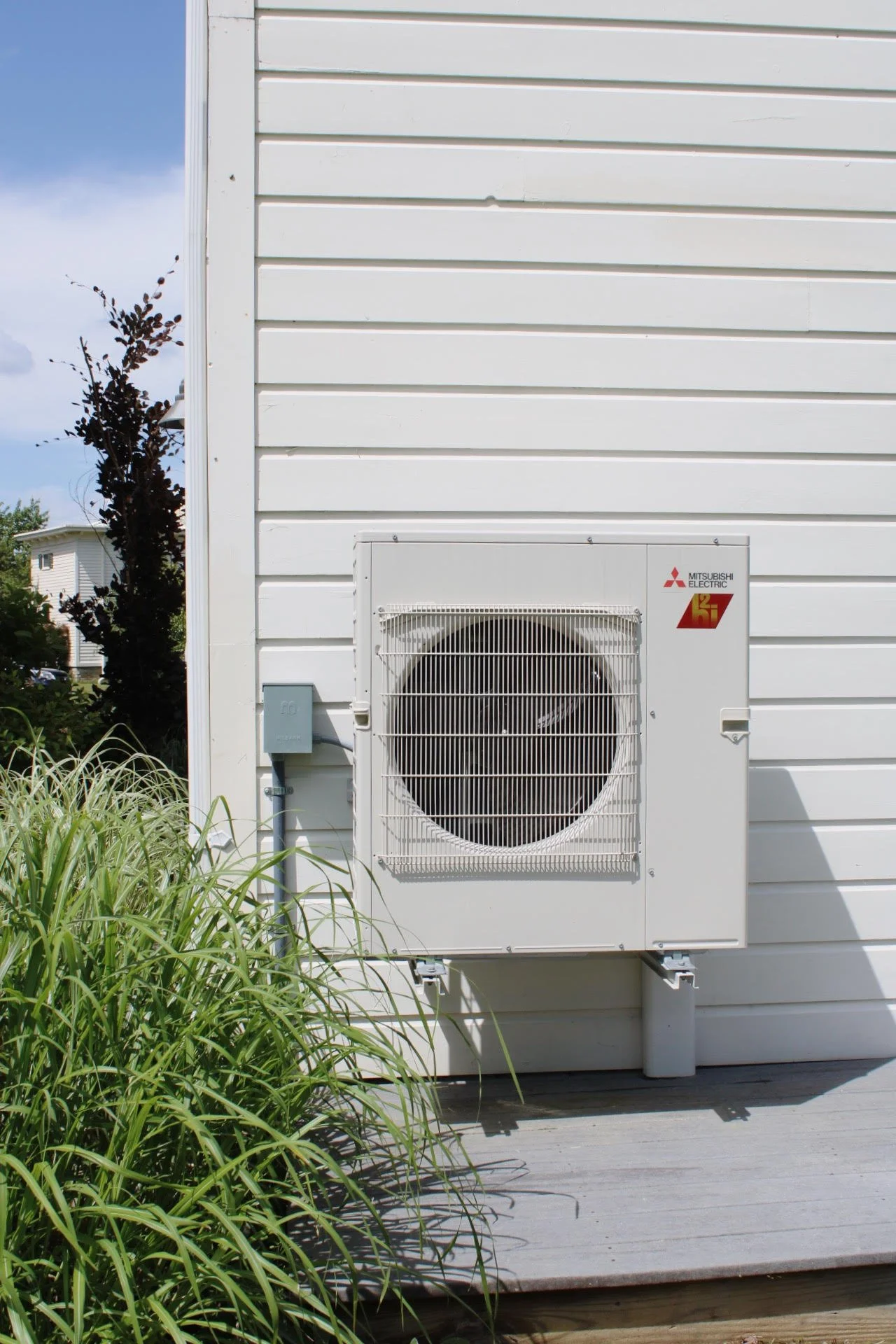
What Is an Air Source Heat Pump?
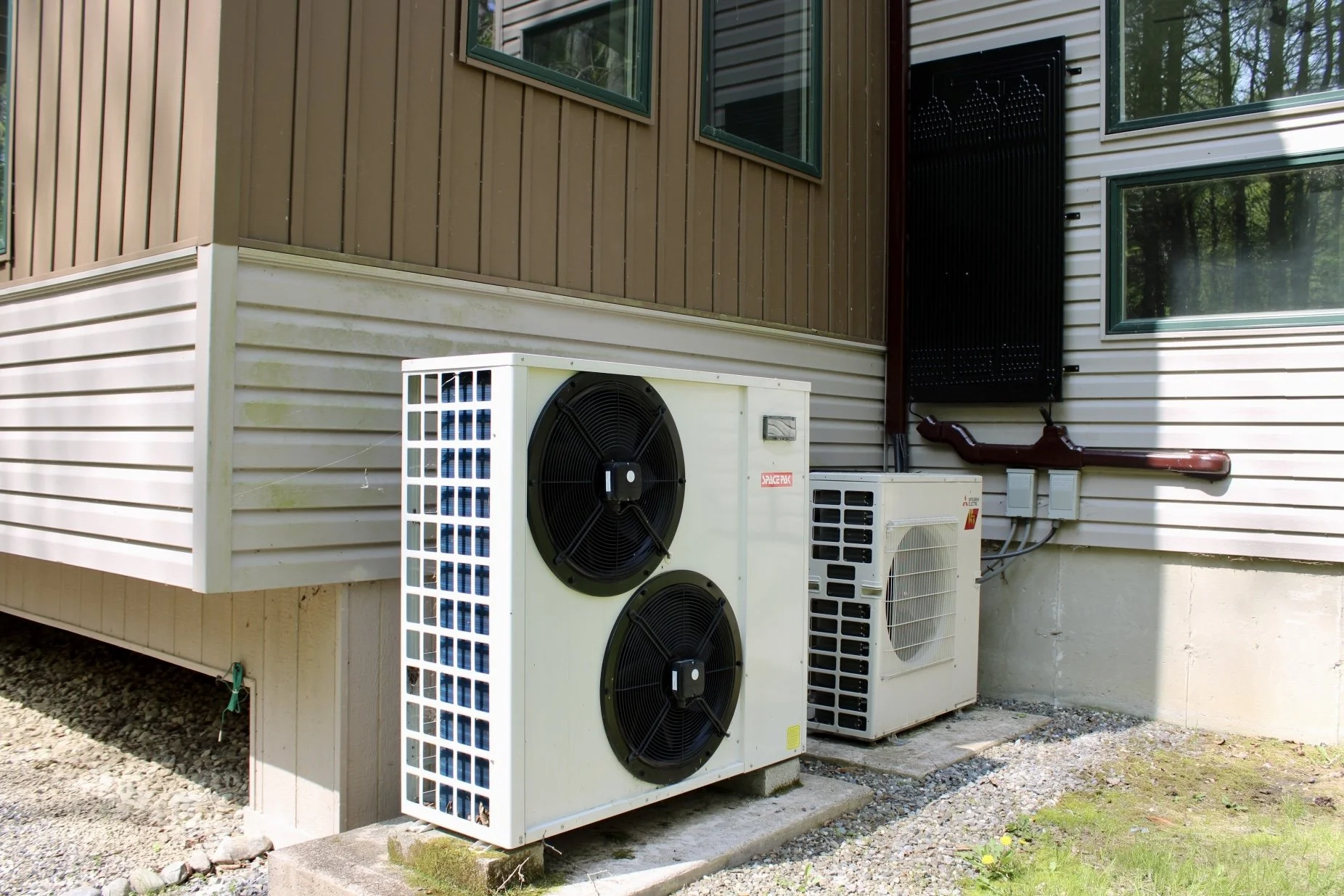
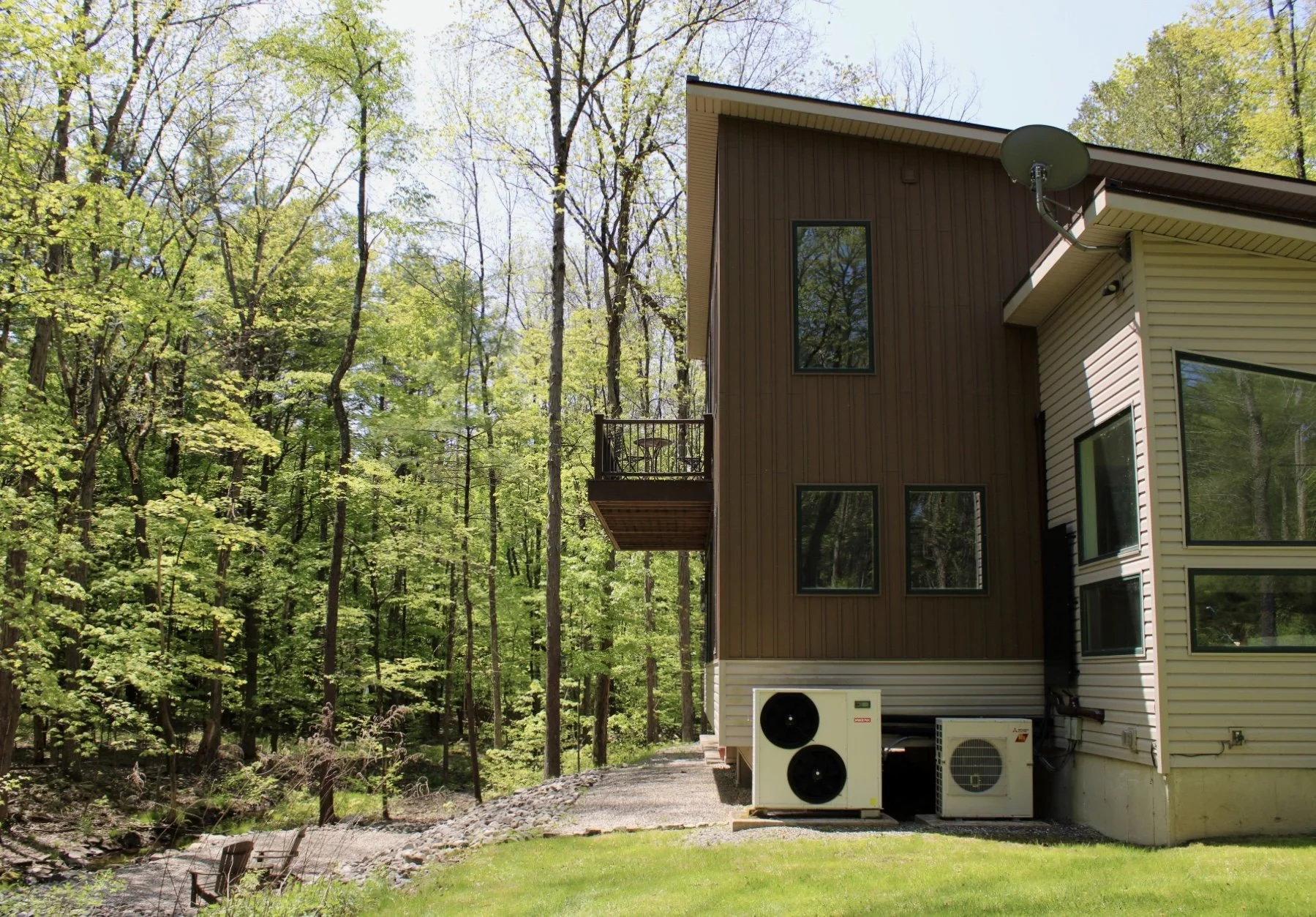
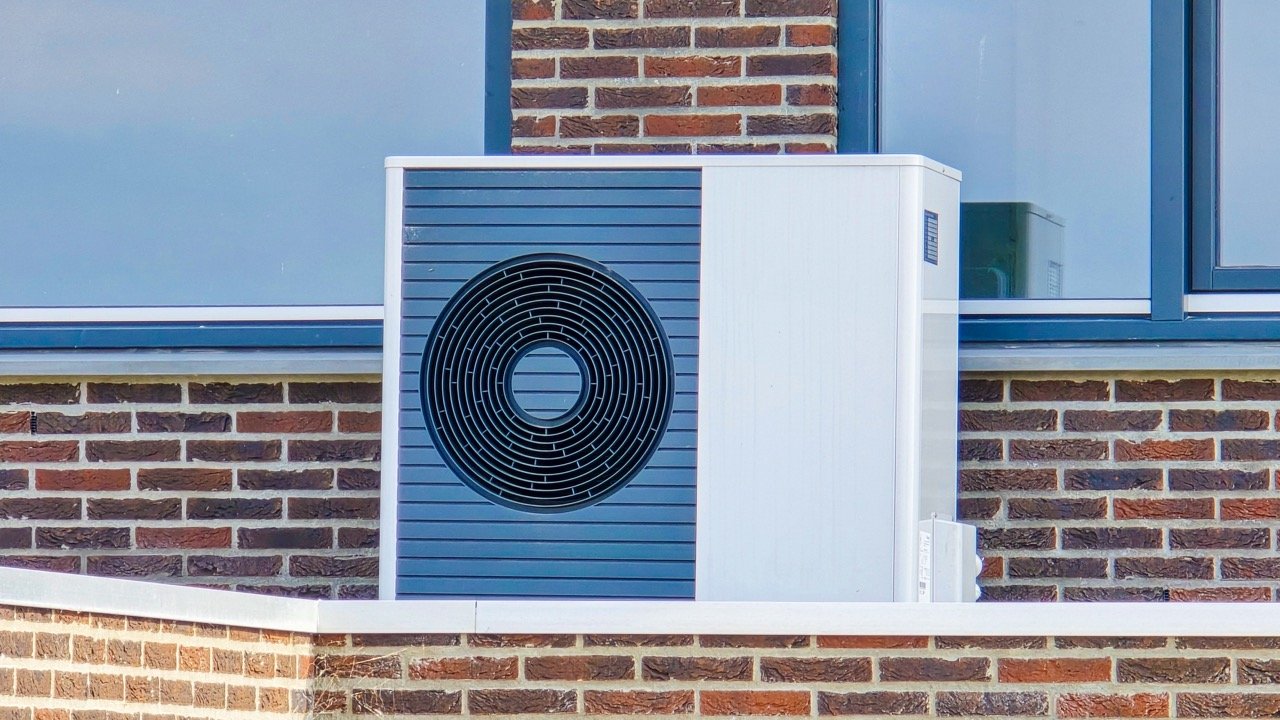
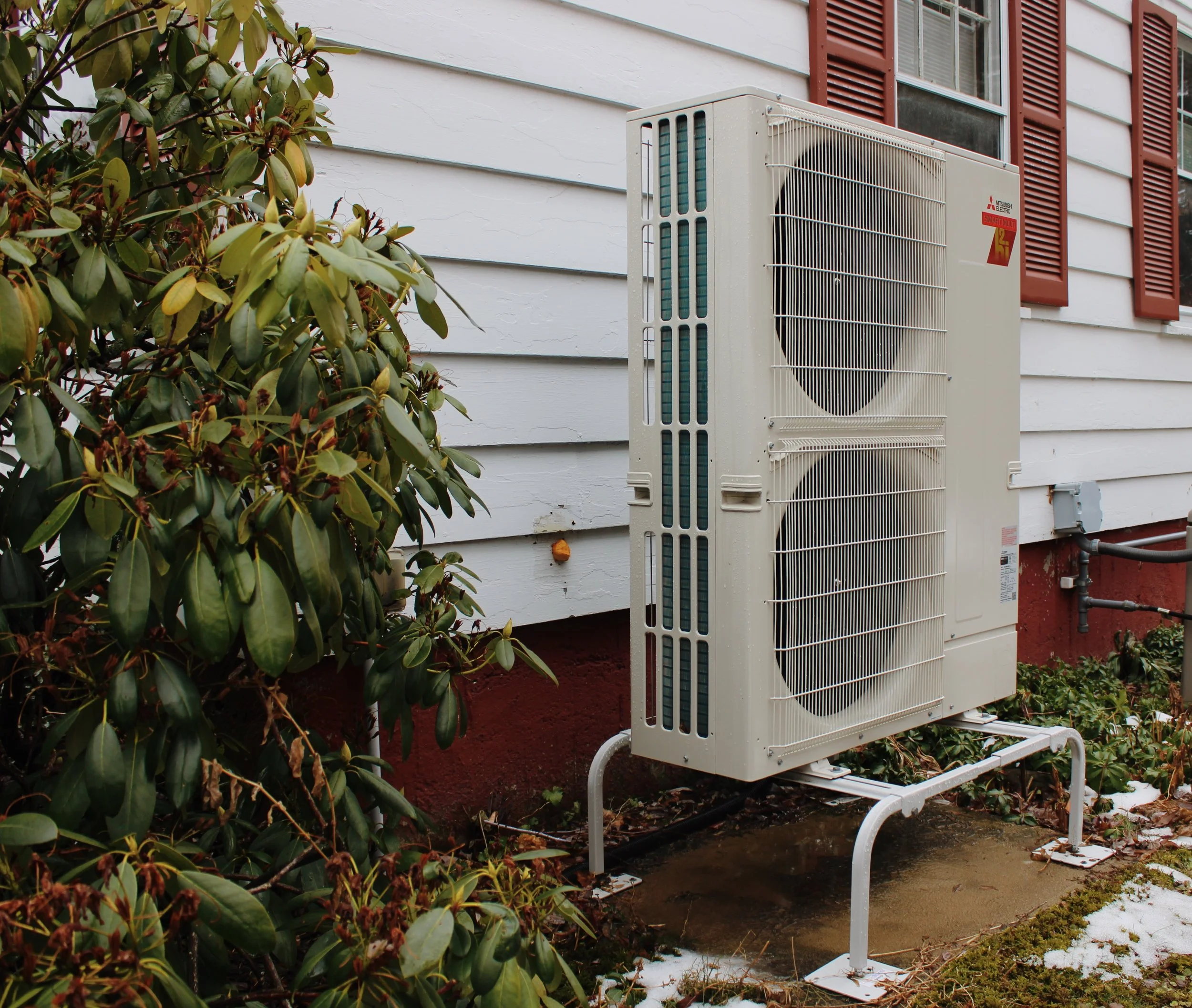
An air-source heat pump transfers heat rather than generating it through combustion. It extracts ambient heat using a reversible cycle—leveraging refrigerants and inverter technology—and delivers more energy output than electrical input. Performance is measured by SEER, HSPF, and COP, and units often earn ENERGY STAR certification. Installation involves mounting an outdoor condenser, connecting it to an indoor air handler or fan coil, and integrating with heat-recovery ventilators (HRVs) for balanced ventilation.

Professional Heat Pump Installation
Ensuring a professional heat pump installation is crucial for maximizing the efficiency and lifespan of your system. The installation process involves detailed planning and execution by qualified technicians who understand the specific requirements of your home. They adhere to safety measures to prevent any hazards during and after installation. Customer testimonials often highlight the importance of choosing skilled professionals, as their expertise directly impacts system performance. Additionally, reputable installers provide service guarantees, ensuring you receive prompt assistance if issues arise. By investing in a professional installation, you not only enhance your heat pump’s efficiency but also secure peace of mind knowing that your system’s foundation is built on quality workmanship.
SEER 20 and HSPF 10 Ratings Explained
When we mention that a system has a SEER 20 (Seasonal Energy Efficiency Ratio) and HSPF 10 (Heating Seasonal Performance Factor) rating, we’re referring to its energy efficiency.
SEER 20 means the system provides high cooling efficiency, consuming less electricity to cool your home compared to lower-rated systems. The higher the SEER, the more you save on summer energy bills.
HSPF 10 indicates superior heating efficiency, especially for heat pumps. A higher HSPF translates to lower energy usage in colder months.
Together, these ratings mean the system offers top-tier year-round efficiency, reducing utility costs and supporting environmentally conscious performance.
Benefits of Air Source Heat Pumps
Energy Efficiency: Systems commonly exceed SEER 20 and HSPF 10, outperforming oil boilers and electric resistance heaters.
Environmental Impact: Cutting greenhouse gas emissions by up to 50% versus traditional heating methods contributes to state decarbonization mandates and EPA Clean Air Act goals.
Cost Savings: With utility rebates from Con Edison’s Energy Efficiency Program or PACE financing, payback periods can fall below seven years.
NYS Clean Heat Rebates: Through the NYS Clean Heat program, homeowners can receive rebates when installing qualifying air source heat pumps. These rebates are available to NYSEG, National Grid, and Central Hudson electric customers or combination natural gas and electric customers who replace their existing heating systems with eligible heat pump equipment, and can be combined with federal tax credits to maximize your savings. The Radiant Store is a NYS Clean Heat participating contractor.
GJGNY Financing Options: The Green Jobs-Green New York program offers low-interest financing to help make your air source heat pump installation more affordable. Flexible financing options are available through New York State, making energy-efficient upgrades more accessible without significant upfront costs.
Energy Efficiency
When considering energy efficiency in heating and cooling systems, heat pumps stand out for their ability to deliver more energy to your home than they consume. By adhering to energy efficiency standards, these systems often exceed traditional heating methods. Their performance is quantified through seasonal performance factors (SPF) and heat pump ratings, showcasing their impressive energy savings potential.
Reduced utility bills due to high efficiency
Improved comfort through consistent temperature control
Lower carbon footprint with sustainable operation
To maximize performance, consider efficiency improvement tips such as regular maintenance and optimizing thermostat settings. By selecting a high-rated model, you can ensure significant energy savings and enhanced comfort in your home year-round.
Environmental Impact
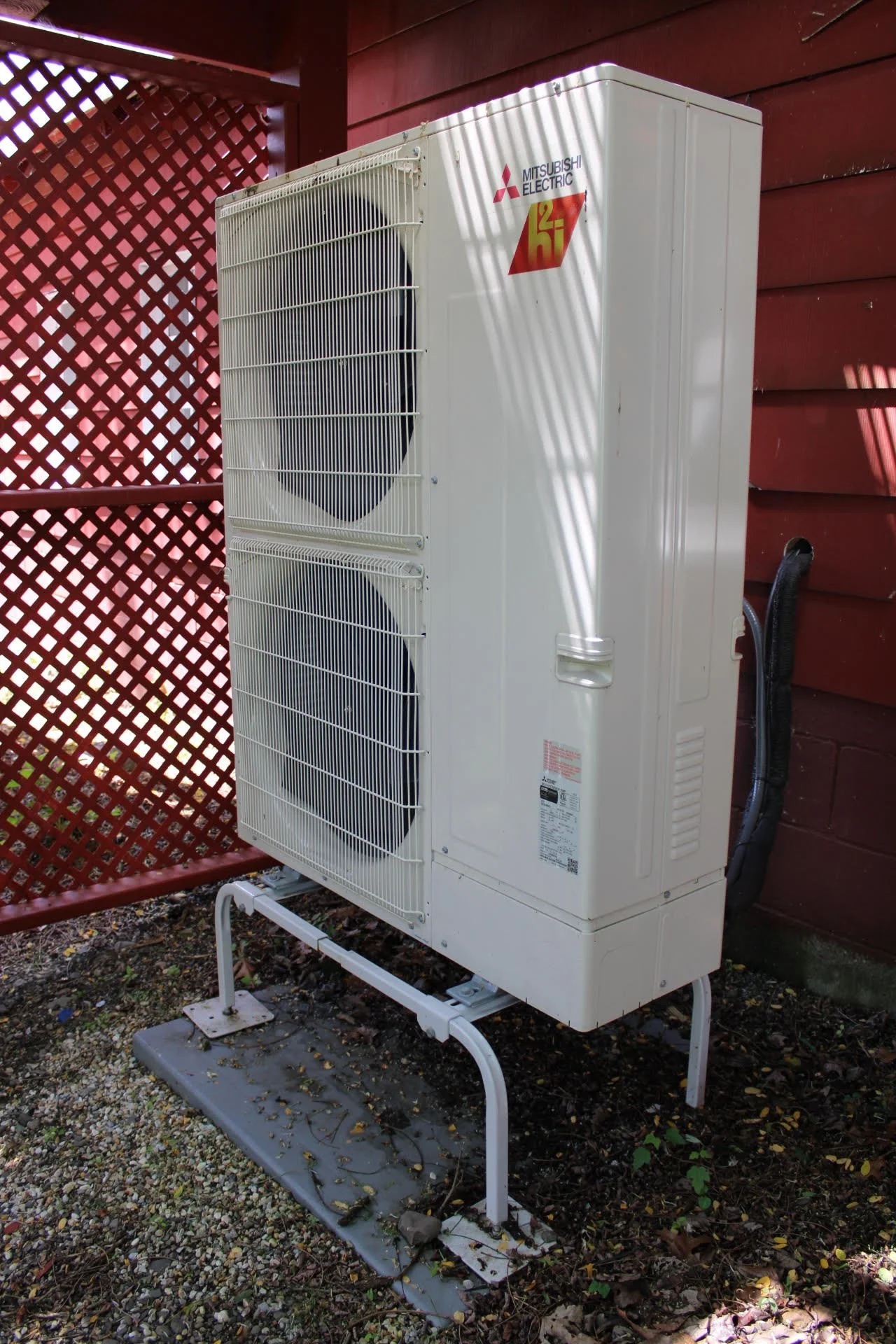
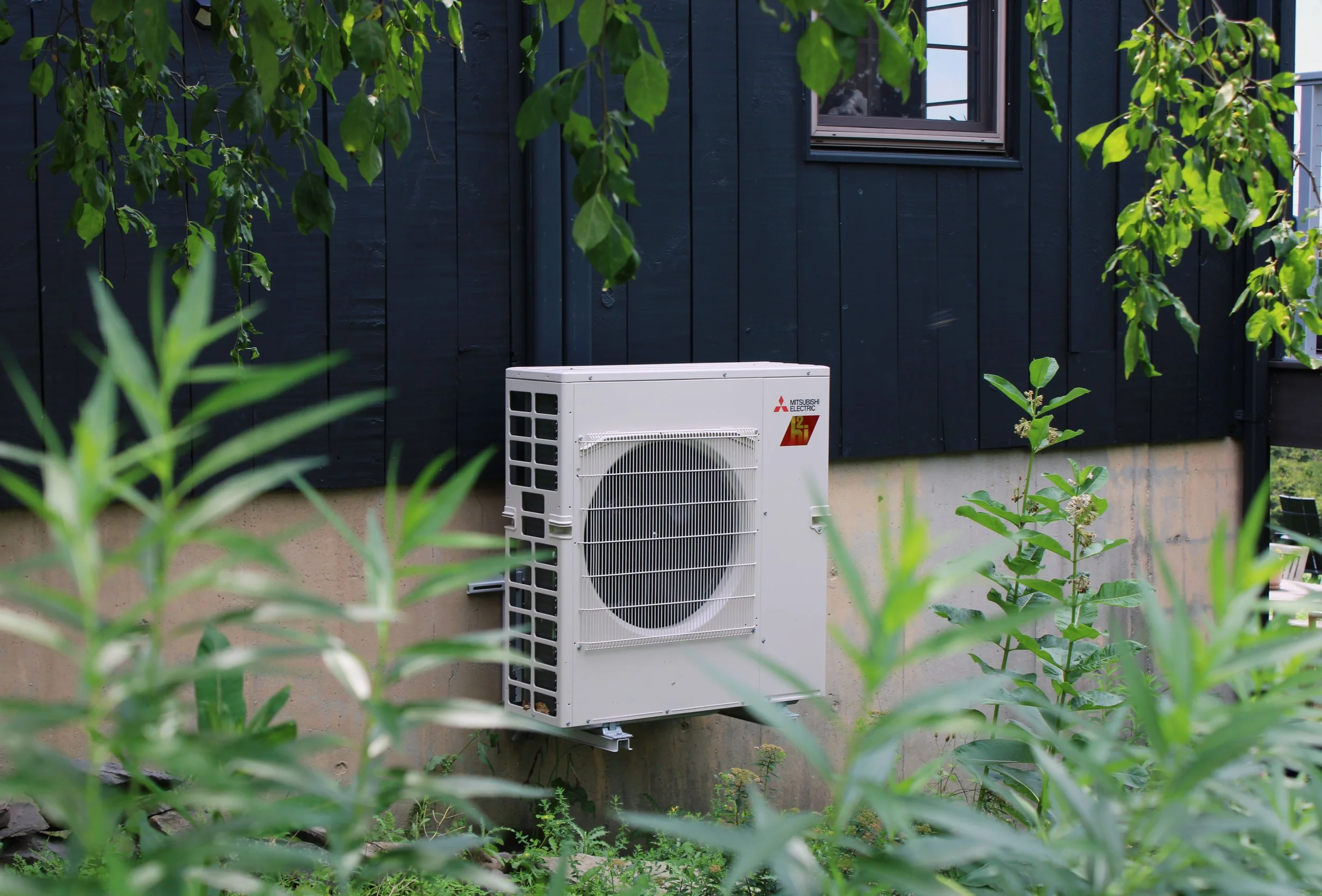
As you explore heating and cooling solutions, consider the environmental advantages of air-source heat pumps. These systems significantly reduce greenhouse gases compared to traditional heating methods, making them a crucial ally in combating climate change. By utilizing renewable energy, air-source heat pumps draw heat from the air, delivering more energy than they consume. This efficiency promotes sustainable living, allowing you to lower your carbon footprint while maintaining indoor comfort. Additionally, air-source heat pumps are part of the growing sector of eco-friendly technologies, which aim to minimize environmental impact. By choosing this solution, you contribute to a greener future, supporting the transition towards energy systems that prioritize sustainability and environmental stewardship.
Cost Savings
Given the rising costs of energy, investing in an air-source heat pump can lead to significant long-term savings on your utility bills. While initial installation costs may seem high, various financing options and energy rebates can help offset these expenses.
Heat pumps offer up to 50% lower energy bills compared to traditional heating systems.
Many states and local governments provide financial incentives for energy-efficient upgrades.
Cost comparisons reveal that heat pumps often result in lower overall lifetime costs.
Investing in a heat pump water heater not only ensures hot water availability but also contributes significantly to a healthier basement environment.
Types of Air Source Heat Pumps
When choosing an air source heat pump, you'll encounter two main types: ducted systems and ductless (mini-split) systems. Ducted systems distribute air through existing ductwork, providing uniform heating and cooling, while ductless systems offer flexible installation and targeted comfort without the need for ducts. Understanding these options helps you select the best solution for your home’s needs.
Ducted Systems
Ducted systems are a popular type of air source heat pump that efficiently distributes heated or cooled air throughout your home via a network of ducts. These systems offer several ducted system advantages, making them a great choice for many homeowners.
Performance Efficiency: Ducted systems can achieve high energy efficiency ratings, reducing utility costs.
Noise Reduction: They operate quietly, ensuring a comfortable environment without the distractions of loud machinery.
Zoning Capabilities: You can create different temperature zones in your home, enhancing comfort and energy savings.
When considering installation, think about the existing ductwork, space requirements, and proper sizing to maximize performance. Investing in a ducted system can significantly improve your home's climate control.
Ductless (Mini-Split) Systems
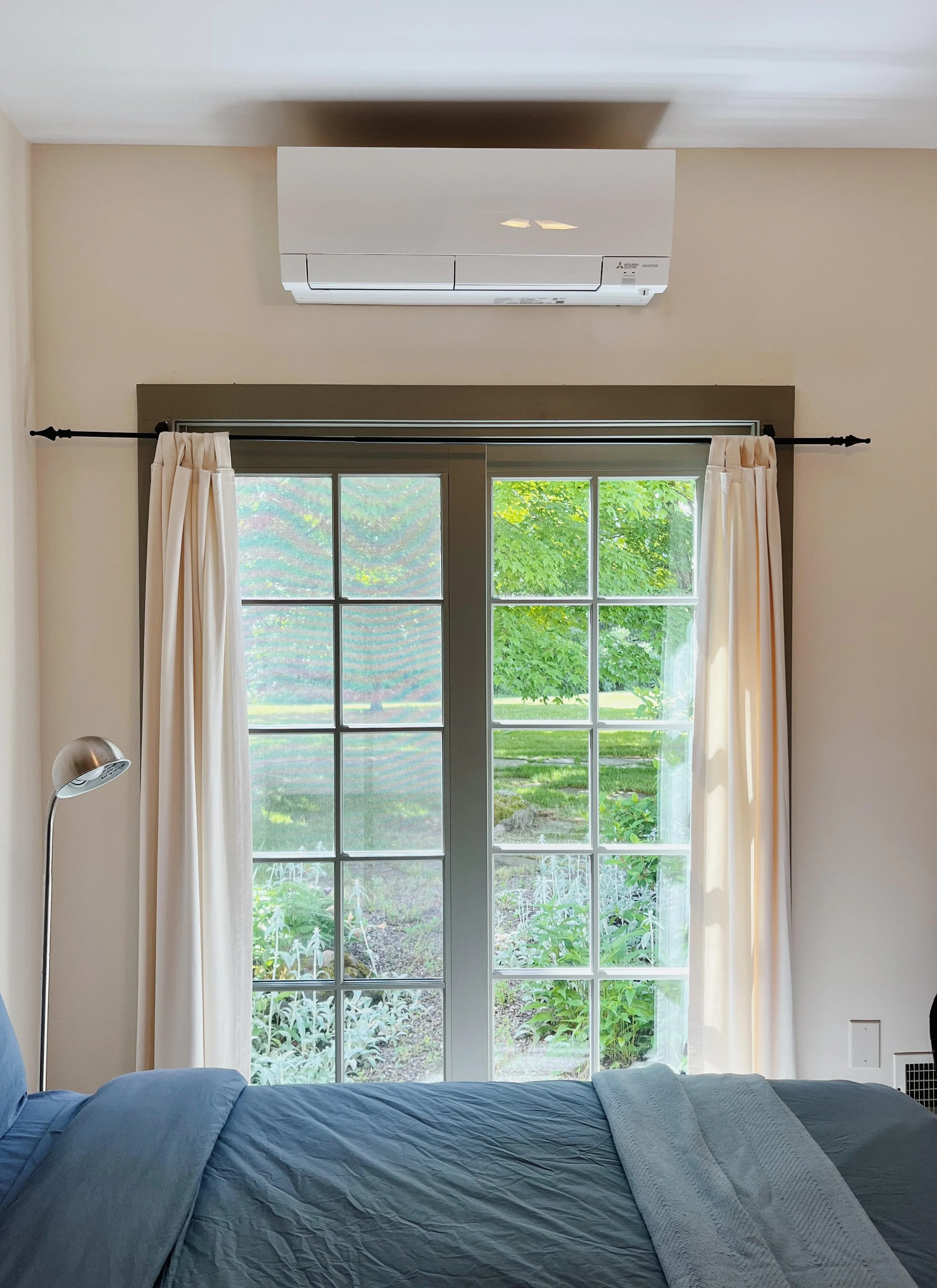
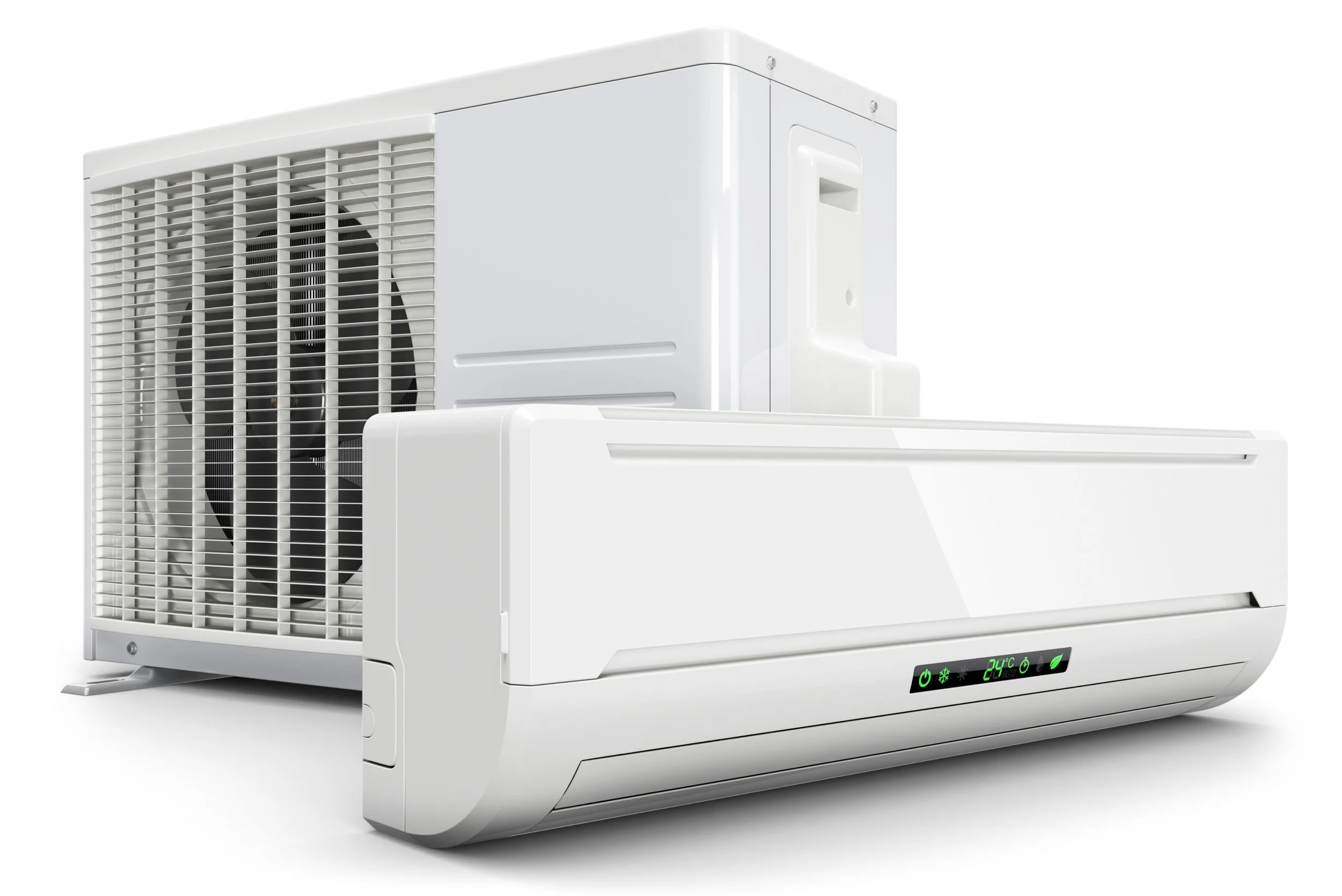
Ductless (mini-split) systems offer an innovative solution for homeowners seeking efficient heating and cooling without the need for extensive ductwork. These systems utilize advanced ductless technology to deliver targeted temperature control in individual rooms. The installation process is streamlined, often requiring only a small hole for the refrigerant line, minimizing disruption to your home. One of the key system advantages is energy savings; mini-splits operate more efficiently than traditional systems, reducing utility bills. Additionally, the user experience is enhanced through customizable settings, allowing you to adjust temperatures based on personal preferences. Overall, ductless systems provide an effective and flexible heating and cooling option for any home, ensuring comfort year-round while promoting energy efficiency.
Comparing Air Source Heat Pumps to Traditional Systems
While traditional heating and cooling systems rely on combustion or electric resistance to generate thermal energy, air-source heat pumps excel in efficiency by transferring heat rather than creating it. This distinction leads to several advantages:
Heat pump efficiency: You’ll notice reduced energy bills due to higher efficiency rates.
Installation challenges: Unlike traditional systems, heat pumps may require specific placement for optimal performance.
System longevity: With fewer moving parts, heat pumps typically have longer lifespans compared to conventional systems.
When conducting cost comparisons, consider both installation costs and long-term savings. User experiences often reveal satisfaction with comfort levels and environmental impact, making air-source heat pumps an attractive alternative for modern heating and cooling needs.
Maintenance Tips for Longevity
To ensure the longevity of your air-source heat pump, regular maintenance is essential. By performing these critical tasks, you can optimize your system’s performance and prevent costly repairs.
Filter Cleaning: Clean or replace filters every month, ensuring efficient airflow.
Refrigerant Levels: Check refrigerant levels regularly to maintain optimal heating and cooling efficiency.
System Checks: Schedule seasonal maintenance checks to identify any potential issues early.
Incorporating performance monitoring into your routine helps track the system's efficiency. Stay proactive with these maintenance tips, and your air source heat pump will provide reliable comfort for years to come. By emphasizing seasonal maintenance, you’ll not only extend the lifespan of your unit but also enhance its overall efficiency.
Frequently Asked Questions
-
Your installation timeline depends on several factors: technician experience, site preparation, and weather conditions. Typically, expect the process to take a few hours to a day for single zone installs, and up to five days for multi-zone installs, ensuring all elements align for optimal efficiency.
-
You might notice noise levels vary with heat pumps. To minimize vibration issues, ensure proper outdoor placement and consider sound insulation. Regular maintenance tips can also help maintain quieter operation, enhancing your comfort and peace at home.
-
Curious about how long your heat pump lasts? Typically, you can expect 15 to 20 years with proper maintenance. Prioritize energy efficiency, consider warranty options, and be aware of potential replacement costs for optimal heat pump durability.
-
Yes, heat pumps can be used in all climates. Their temperature adaptability ensures heat pump efficiency, providing reliable winter heating capabilities even in harsh conditions. However, installation considerations vary based on local climate challenges and requirements.

SANCO₂ heat pump water heaters
This technology has the best first-hour rating of any heat pump water heater on the market and operates up to four times more efficiently than traditional electric water heaters.

State hybrid electric heat pump tank water heaters
As the most efficient tank water heater available, these hybrid heat pump water heaters incorporate a user-friendly display, vacation mode, and a durable anode to protect the tank.

SAHP Retrofit
The SAHP Retrofit is a solar-assisted heat pump system designed to retro-fit to all existing domestic hot water cylinder systems. This hybrid technology incorporates a solar PV ready intelligent controller.
Enjoy the unique advantages of heat pump water heaters
-
Solar-assisted heat pumps qualify for state and federal tax credits on top of the NYS heat pump rebate, which can save you thousands on your installation!
-
Heat pump water heaters are capable of de-humidifying and cooling your basement while producing hot water.
-
Heat pump water heaters can drastically reduce your homes’ overall energy use when paired with a heat pump system for space heating & cooling.
-
Produce 100% of your hot water with clean energy generated on-site when you pair a heat pump water heater with a solar PV array.